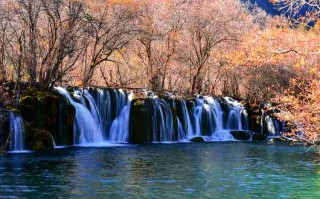
The first time I went to Jiuzhaigou, I skipped Changhai. Not on purpose, really — the park is huge, the day was short, and someone in my group said, “It’s just a big lake at the end of the road. You’ve seen one alpine lake, you’ve seen them all.” So we turned around at the Five-Colored Pond and headed back down. I didn’t think about it again for years.
Last October, I went back. This time alone, with no schedule and no one else’s opinions to borrow. I got on the shuttle bus at the entrance, watched the familiar valleys slide past the window — the same turquoise water, the same crowds at Nuorilang — and stayed on until the very last stop. Changhai.
The road climbs. The forest gets thinner. And then, without much warning, the bus stops and you step out into a silence that feels almost physical.
.jpg "Nine Years Later,I Finally Understood Why They Call It the Long Lake-第1张图片-九寨沟旅游网")
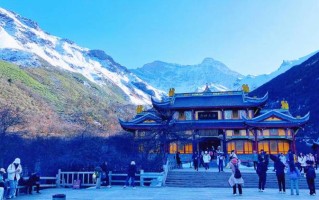
I don’t know what I was expecting. Maybe something like the other lakes — bright, busy, postcard-perfect from every angle. But Changhai isn’t like that. It’s not trying to impress you. It just sits there, long and dark blue, folded between mountains that still had snow on their shoulders, even in October. No boats, no boardwalks along the shore, no shops. Just a lake and a lot of quiet.
I walked to the viewing platform with maybe twenty other people. Everyone was doing the same thing — taking the same photo, then just standing there. You can’t see the whole lake from any one spot. It bends away to the left and disappears. That’s the thing about it. The name, “Long Lake,” sounds so plain in English. But standing there, you get it. It’s not a pretty little pond. It’s a lake that doesn’t end.
A Tibetan family was selling hot yak milk from a thermos near the viewpoint. I bought a cup mostly because my fingers were cold. We didn’t talk much — my Mandarin is bad, their English was worse — but the old woman pointed toward the far end of the lake and said something I didn’t understand. Her son translated: “She says the lake never freezes in the middle, even in winter. Because a dragon lives there.”
I laughed. He didn’t. He said, “That’s what they say.”
.jpg "Nine Years Later,I Finally Understood Why They Call It the Long Lake-第2张图片-九寨沟旅游网")
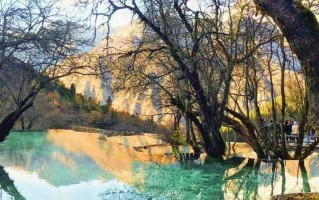
I stayed for maybe an hour. There’s no trail that circles the lake — at least not one you’re allowed to take — so you just stand there, or sit on the low wall, and watch the light change. The water turned from navy to silver to a kind of deep green, depending on the clouds. A few birds I couldn’t name skimmed the surface. At one point, a gust of wind came down from the pass and the whole lake shivered, like it had been asleep and just woke up.
Here’s what I think now: Changhai isn’t the most beautiful spot in Jiuzhaigou. The Five-Flower Lake is prettier in that obvious, stop-and-stare way. But Changhai is the one that stays with you. Because it doesn’t give you anything. It’s just there, old and cold and indifferent — and for some reason, that feels like exactly what you came for.
I rode the bus back down in the late afternoon. The other lakes looked smaller somehow. Brighter, but smaller. When I got back to my guesthouse, the owner asked where I’d gone. I said Changhai.
He nodded. “First time?”
.jpg "Nine Years Later,I Finally Understood Why They Call It the Long Lake-第3张图片-九寨沟旅游网")
“Second time in Jiuzhaigou,” I said. “First time at the lake.”
“Ah,” he said. “Then you’ve only been to Jiuzhaigou once before.”
I’m not sure that makes sense. But I think I know what he meant.
标签: 九寨沟长海旅游介绍英文
【备注】:如需即时、准确或者更多相关信息,请联系客服。